Choose the right product for the task
Different surfaces and cleaning challenges require different formulations.
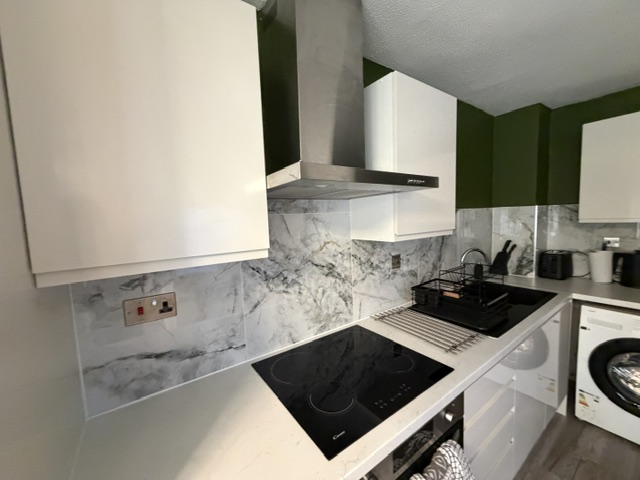
- Kitchen worktops: Choose a cleaner suitable for the particular worktop material and the type of soiling.
- Bathrooms: Select a bathroom cleaner appropriate for the surface and any limescale deposits.
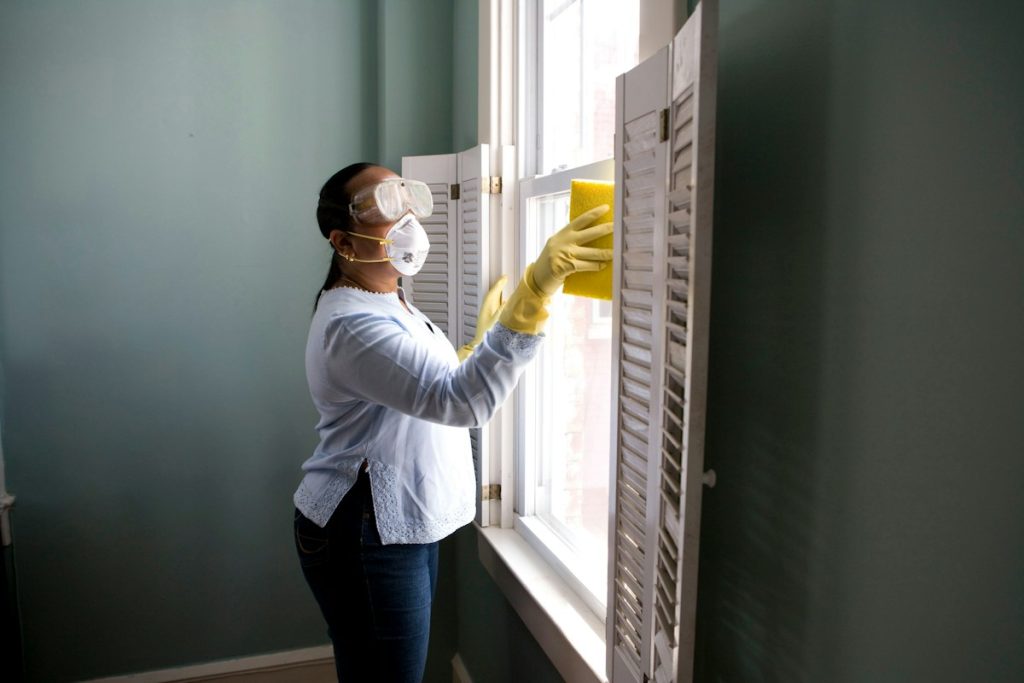
- Glass and mirrors: Use a suitable glass cleaner and a reusable microfibre cloth.
- Floors: Check whether the product is suitable for wood, laminate, stone, vinyl or another flooring material.
- Frequently touched surfaces: Follow appropriate cleaning and, where necessary, disinfection instructions.
Using the wrong product can damage surfaces, waste money and create additional cleaning work.
Consider concentrated and refillable products
Concentrated cleaning products may require less packaging and can be easier to store and transport. Refillable systems may also reduce the need for new bottles.
Their benefits depend on how the products are formulated, packaged, transported and used.
Always measure concentrates according to the manufacturer’s instructions. Never assume that using more product will deliver better results.
Are Natural Cleaning Products Always Better?
Not necessarily.
Ingredients derived from plants or other natural sources can still cause irritation, trigger allergies or be harmful when misused. Equally, a synthetic ingredient is not automatically worse for the environment than a naturally derived alternative.
The important factors are the ingredient’s properties, its concentration, how the product is used and its wider environmental impact.
For example, vinegar is often suggested as a natural cleaning solution, but it is acidic and unsuitable for some surfaces, including certain natural stones. It should not be used indiscriminately on every surface.
Similarly, never mix cleaning products unless the manufacturers explicitly confirm that the combination is safe. In particular, mixing bleach with acidic cleaners or products containing ammonia can release dangerous gases.
At Amybrooks Cleaning Services, we encourage an informed approach to cleaning: choose the right product for the job, follow the instructions and prioritise both safety and effective results.
Sustainable Cleaning Tips for Buckinghamshire Homes
Making your cleaning routine more sustainable does not require a complete lifestyle change. Small, consistent adjustments can make a difference over time.
Use the correct amount of cleaning product
Follow the dosage instructions on the packaging. Using more detergent or cleaner than necessary can create waste and may leave residues on surfaces.
Concentrated products should always be diluted as directed.
Switch to reusable cleaning equipment
Washable microfibre cloths, reusable mop pads and durable cleaning tools can reduce reliance on disposable wipes and paper towels.
Wash reusable cloths appropriately for the type of dirt they have collected, and keep cloths used for kitchens, bathrooms and toilets separate to prevent cross-contamination.
Reduce unnecessary water use
Use only the water required for the task and avoid leaving taps running while cleaning. A well-planned routine can help conserve water without compromising hygiene.
Recycle packaging correctly
Check the packaging and your local council’s recycling guidance before disposing of bottles, caps and refill containers.
Buckinghamshire Council encourages residents to prevent and minimise waste as part of its wider waste-management approach. You can find local information through the Buckinghamshire Council waste and recycling pages.
Never pour leftover hazardous cleaning chemicals into drains or toilets unless the product instructions and relevant guidance specifically permit it. Follow the label and local disposal advice.
Buy only what you need
Avoid accumulating multiple products that perform the same function. A carefully selected range of suitable cleaners can help reduce clutter, unnecessary spending and unused products that eventually need disposal.
Sustainable Cleaning for Businesses in Buckinghamshire
Sustainable cleaning is not just for domestic properties. Offices, retail premises, hospitality businesses, communal areas and other workplaces can also benefit from reviewing their cleaning routines.
For businesses in Aylesbury, High Wycombe, Milton Keynes and the wider Buckinghamshire area, practical improvements may include:
- Reviewing which cleaning products are purchased and why.
- Choosing suitable products with credible environmental information.
- Introducing refill systems where appropriate.
- Measuring concentrates accurately to avoid unnecessary consumption.
- Using reusable cleaning equipment where hygiene requirements allow.
- Providing staff with clear instructions for product use, storage and disposal.
- Reviewing packaging waste and purchasing practices periodically.
Commercial cleaning also requires careful attention to workplace safety. Under the UK’s Control of Substances Hazardous to Health (COSHH) requirements, employers and relevant duty holders must assess and control risks from hazardous substances where applicable.
The Health and Safety Executive provides useful information in its COSHH guidance for cleaners.
Importantly, switching to a product marketed as environmentally friendly does not remove the need to follow safety procedures, provide appropriate training or use protective equipment when required.
Common Myths About Sustainable Cleaning Products
There are several misconceptions that can make it harder to choose suitable products.
Myth 1: Eco-friendly products do not clean properly.
Reality: Cleaning performance depends on the formulation, surface, type of dirt and method of application. Many products marketed with environmental credentials are designed for everyday cleaning tasks, but they still need to be used correctly.
Myth 2: Natural ingredients are always safe.
Reality: Natural substances can still be irritating, corrosive or harmful. Always follow the product instructions and precautions.
Myth 3: Sustainable cleaning is always more expensive.
Reality: Some products may have a higher upfront price, but concentrates, refills, reusable cloths and sensible product use can help reduce ongoing costs. The best option depends on the product and your cleaning needs.
Myth 4: Every product labelled green is environmentally friendly.
Reality: Environmental claims vary in scope and quality. Look for clear evidence, credible certifications and specific information rather than relying on broad marketing language.
Myth 5: Sustainable cleaning means avoiding disinfectants altogether.
Reality: Disinfection remains important when required for hygiene or infection control. The aim is to use an appropriate product for the task, following the correct instructions, rather than using stronger chemicals unnecessarily.
How Amybrooks Cleaning Services Can Help
Maintaining a clean property takes time, consistency and an understanding of the products and methods appropriate for different surfaces.
Whether you are managing a busy household, preparing a property for new occupants or maintaining a professional working environment, a considered cleaning routine can help keep your space presentable while reducing avoidable waste.
Amybrooks Cleaning Services can help you explore practical cleaning approaches suited to your property’s requirements. If sustainability is a priority, discuss your preferences when enquiring about a cleaning service, including any fragrance sensitivities, surface requirements or product preferences.
It is important to confirm product availability and suitability for your particular cleaning needs rather than assuming every service uses the same formulations.
Our goal is to help you make informed decisions about keeping your property clean, comfortable and well maintained.
Frequently Asked Questions About Sustainable Cleaning Products
What is the most important feature of a sustainable cleaning product?
There is no single feature that determines sustainability. Consider cleaning effectiveness, ingredients, packaging, dosage, safety and credible evidence supporting environmental claims.
Are biodegradable cleaning products safe for the environment?
Biodegradability can be a useful characteristic, but it does not guarantee that a product has no environmental impact. The conditions required for breakdown and the properties of the other ingredients also matter.
Can I use sustainable cleaning products around children and pets?
You can select products suitable for your household, but no cleaning product should be assumed safe simply because it is labelled natural or eco-friendly. Follow all instructions, keep products securely stored and allow surfaces to dry as directed before children or pets come into contact with them.
Are sustainable cleaning products suitable for commercial premises?
Yes, many products with environmental credentials are designed for commercial or professional cleaning. However, the product must be appropriate for the surface, the cleaning task and any hygiene requirements. Businesses should also assess relevant workplace risks.
How can Buckinghamshire residents reduce cleaning waste?
Start with simple changes: use the correct product quantities, switch to washable cloths where appropriate, consider refillable packaging and follow local recycling and disposal guidance.
Final Thoughts: Make Sustainable Cleaning Part of Your Routine
Sustainable cleaning is about making thoughtful choices that balance cleanliness, safety, cost and environmental responsibility.
For homes and businesses across Buckinghamshire, the most effective starting points are straightforward: read product labels, choose suitable formulations, avoid unnecessary chemical use, reduce packaging waste and follow safe cleaning practices.
You do not have to change everything at once. A few practical improvements, maintained consistently, can help make your cleaning routine more responsible over time.
Looking for cleaning support for your property?
Contact Amybrooks Cleaning Services to discuss your cleaning requirements and any preferences you have regarding cleaning products and methods.
A cleaner space can start with a better-informed choice.